Sauna heater selection
Electric vs. Wood-Burning Sauna Heaters: Which Fits Your Home?
Compare electric and wood-burning sauna heaters by daily routine, installation, running costs and room layout for your Canadian home or cottage.
Before you begin
- Choose around your routine, including how you want to start sessions and handle fuel or ash.
- Compare complete installation proposals, including the electrical work or chimney system each option needs.
- Estimate running costs using your own electricity tariff, firewood costs and expected use.
The best choice between an electric and a wood-burning sauna heater often becomes clear when you picture an ordinary evening. Do you want to set the controls after work and follow a familiar routine? Or do you enjoy preparing a fire and making that part of your time at the cottage?
Both options deserve a proper room design. Begin with the way you will use the sauna, then compare the installation and the work involved in each session.
Start with your weekly routine
An electric heater is worth considering when straightforward operation is high on your list. You will still prepare the room, inspect the heater area and follow the control instructions, but you will not need to bring in firewood or manage ashes.
Wood heating suits someone who wants the fire to be part of the experience. Think about whether that appeal extends to storing wood, starting the stove and cleaning up afterwards. It is an enjoyable routine for some households and an obstacle to regular use for others.
Write down your most likely use, rather than your ideal holiday weekend. A sauna you use frequently should fit the time and attention you actually have.
Compare complete installation proposals
For an electric system, ask a qualified electrician to assess the exact heater, controller, supply and installation route. Provide the sauna location early, especially for a backyard building some distance from the electrical panel. Homecraft publishes separate installation guides for its heater families, illustrating why the model and control combination matter. Homecraft resources
For a wood-burning system, ask a qualified stove and chimney professional to assess the appliance, floor protection, clearances, air supply and chimney route. Ask your local building authority about the proposed installation and your insurer about any documentation it needs.
Use written scopes that identify included components and labour. Comparing a bare electric heater price with a fully installed wood stove will not give you a useful budget.
Think about the room you want
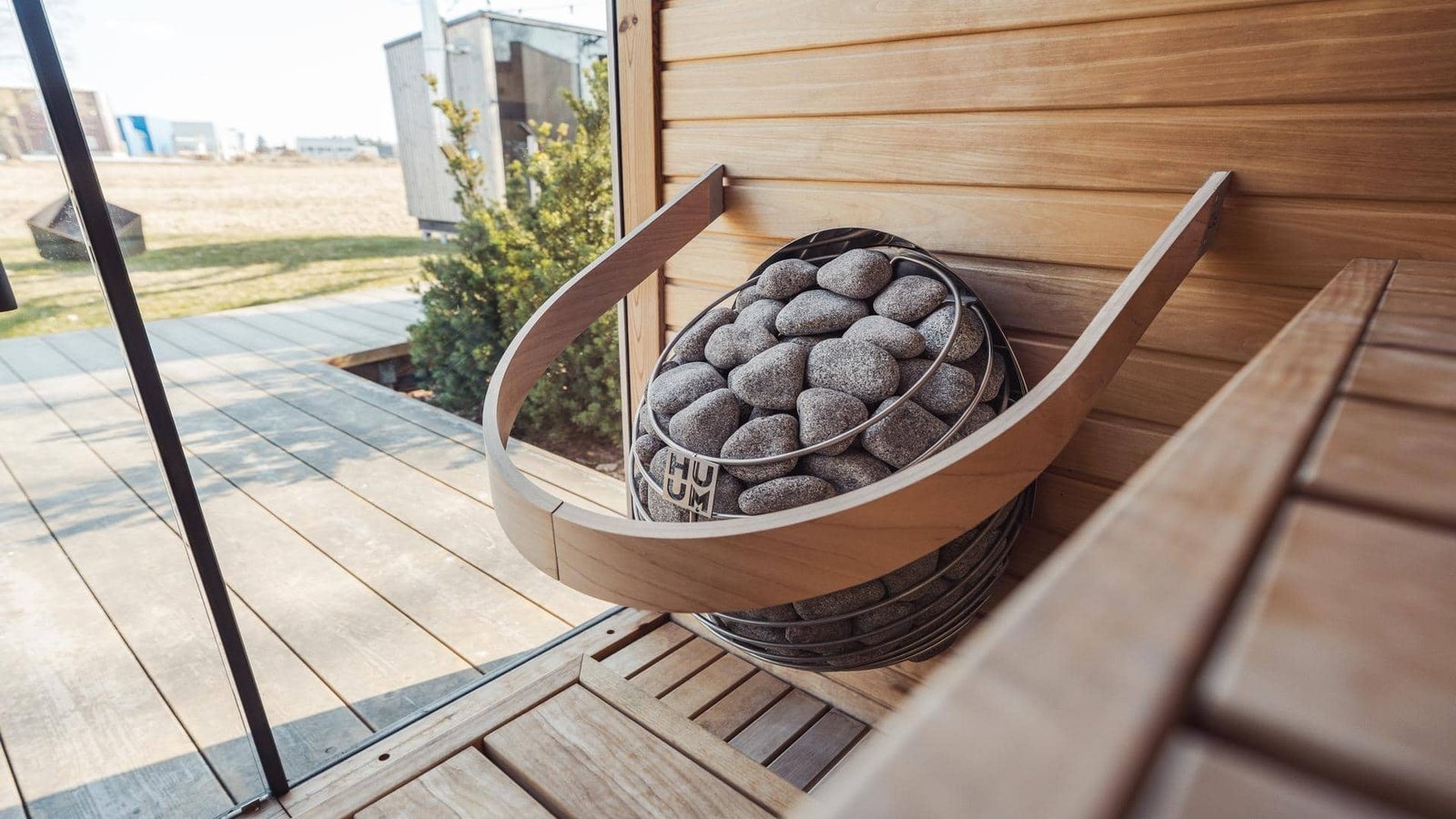
Place the heater, benches and door on a single drawing. An electric wall-mounted model and a floor-standing wood stove can create different layout possibilities. Neither should be selected without checking the exact installation dimensions.
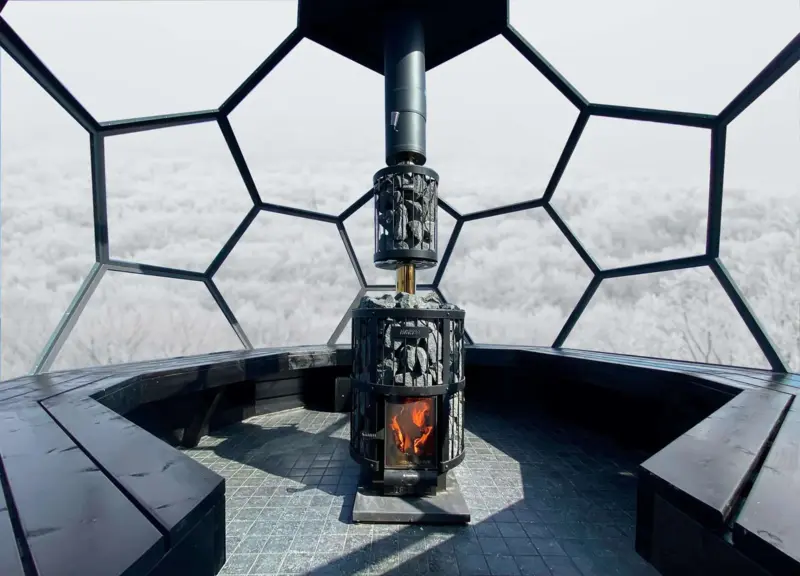
If a visible fire matters to you, consider where you want to see it. HUUM describes its HIVE Wood 17 LS as a model that can be heated from an adjacent room. That is a specific product feature, not something every wood stove can be adapted to do. HUUM HIVE Wood
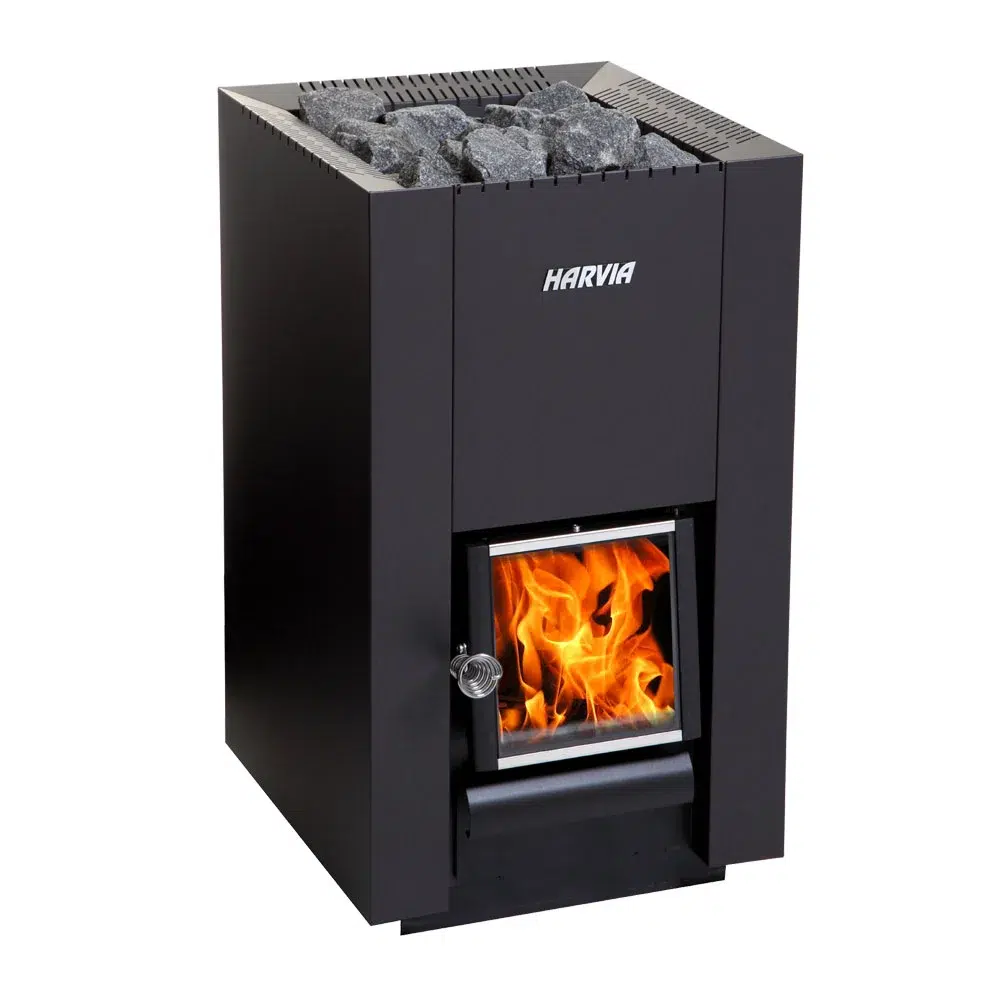
Browse electric sauna heaters and compare their proposed layouts with Harvia wood-burning stoves. If you prefer another loading arrangement or appearance, the ZAPARA wood-burning range provides another collection to discuss with the team.
Make a realistic running-cost comparison
There is no single Canadian cost-per-session figure that fits every household. Electricity tariffs, heater operation, firewood prices and session length differ.
For electric heating, estimate electricity consumed across the whole session, including warm-up, using realistic operating information. A heater's nameplate output multiplied by time is a full-output illustration; it is not necessarily a measured session total once temperature control cycles the heater.
For wood heating, include purchased fuel and the value you place on collecting, splitting, storing and handling it. Add periodic chimney service to your ownership budget. “Free wood” may still involve a considerable commitment of time.
Consider the property and your neighbours
Ask where a chimney could be installed before finalizing a wood-fired sauna's position. Consider nearby windows, outdoor seating and properties as part of that discussion. Health Canada identifies wood smoke as an air-quality concern and recommends reducing its impact through appropriate equipment, fuel and maintenance. Health Canada: wood smoke
For either option, bring the supplier your room measurements and a site sketch. The most useful recommendation will connect the way you want to use the sauna with a complete installation that works at your address.
Frequently asked questions
Is electric always cheaper to run?
No. Compare your local electricity price with your actual firewood cost and include maintenance. Avoid national averages presented as a guaranteed cost for your sauna.
Is a wood stove the best option for a cottage?
It can suit a cottage routine, especially when tending a fire is part of the appeal. The available chimney route, fuel storage and local installation requirements still need review.
Can I switch from electric to wood later?
Possibly, but treat it as a new design assessment. Space, the chimney, floor protection and ventilation may require changes. Plan for that possibility now if it matters to you.
Which option should I choose for quick weekday use?
If convenient operation is your main priority, start by comparing electric systems. Discuss the complete room and your expected routine before accepting any warm-up estimate.
Sources
- Homecraft Saunas. Resources. Undated. Accessed September 9, 2026.
- HUUM. HIVE Wood wood-burning stove. Undated. Accessed September 9, 2026.
- Health Canada. Wood smoke. November 21, 2025. Accessed September 9, 2026.